Have you ever sat with your phone in your hand, scrolling through images of burning tents and crying children, and felt completely helpless? Like your heart is being squeezed and there’s nothing you can do?
I have. We all have.
We watch our brothers and sisters in Palestine, in Sudan, in Iran, in Kashmir, in Yemen, being bombed, starved, displaced, and killed. We see the oppression with our own eyes. And the weight of that helplessness sits heavily on our chests. We want to do something. We want to help. But what can we really do from thousands of miles away?
Here’s the answer the Prophet Muhammad (ﷺ) gave us. The same answer he gave his companions when they faced armies that outnumbered them three to one. The same answer that turned the tide of history again and again.
Dua.
The Prophet (ﷺ) said:
“Beware of the supplication of the oppressed, for there is no barrier between it and Allah” – [Al-Bukhari and Muslim]
There is no barrier. No veil. No rejection. When an oppressed person raises their hands, Allah listens. And when we raise our hands for them, we join our voices with theirs.
This is the complete collection of authentic duas for times of war, oppression, and distress. I’ve organized them by situation so you can turn to what you need, when you need it. Read this article till the end. It won’t take much of your time, but these supplications might become the weapon you’ve been searching for.
Part 1: Duas for Protection from Enemies and Oppressors
When you fear those who wish to harm you—whether they are standing in front of you or planning from afar—these are the supplications the Prophet (ﷺ) taught us.
Dua 1: When Facing an Enemy or Oppressor
This was the dua the Prophet (ﷺ) would recite when he feared a people or faced an enemy.
اللَّهُمَّ إِنَّا نَجْعَلُكَ فِي نُحُورِهِمْ، وَنَعُوذُ بِكَ مِنْ شُرُورِهِمْ
Allahumma inna naj’aluka fi nuhurihim, wa na’udhu bika min shururihim
Translation: O Allah! We put You in front of them, and we seek refuge in You from their evils.
Source: [Ahmad and Abu Dawud]
Dua 2: The Battlefield Dua
This is what the Prophet (ﷺ) would say when meeting the enemy on the battlefield.
اللّهُـمَّ أَنْتَ عَضُـدي، وَأَنْتَ نَصـيري، بِكَ أَجـولُ وَبِكَ أَصـولُ وَبِكَ أُقـاتِل
Allāhumma anta `aḍudī, wa anta naṣīrī, bika ajūlu, wa bika aṣūlu, wa bika uqātil
Translation: O Allah, You are my support, You are my helper, and by You I fight.
Source: Abu Dawud 3/42, At-Tirmidhi 5/572. See also Al-Albani, Sahih At-Tirmidhi 3/183
Imagine saying this before facing any difficulty, whether it’s an enemy, an oppressor, or a trial. You’re declaring that your strength comes only from Allah. And with that declaration, you become unshakeable.
Dua 3: The Prayer Against the Confederates
At the Battle of the Confederates (Ahzab), when multiple armies surrounded Medina, the Prophet (ﷺ) made this powerful supplication.
اللَّهُمَّ مُنْزِلَ الْكِتَاب سَرِيعَ الْحِسَاب اهْزِم الأَحْزَاب اللَّهُمَّ اهْزِمْهُمْ وَ زَلْزِلْهُم
Allāhumma munzila ‘l-kitāb, sarī`a ‘l-ḥisāb, ihzimi ‘l-aḥzāb, Allāhumma-hzimhum wa zalzilhum.
Translation: O Allah, Revealer of the Book, Swift to account, defeat the groups (of disbelievers). O Allah, defeat them and shake them.
Source: Sahih Bukhari and Sahih Muslim
This dua asks for two things: defeat (being overcome) and being shaken (loss of stability and confidence). It’s a comprehensive supplication against any force that has gathered to harm believers.
Dua 4: Hasbunallahu Wa Ni’mal Wakeel
The most powerful declaration of trust in Allah when facing oppression.
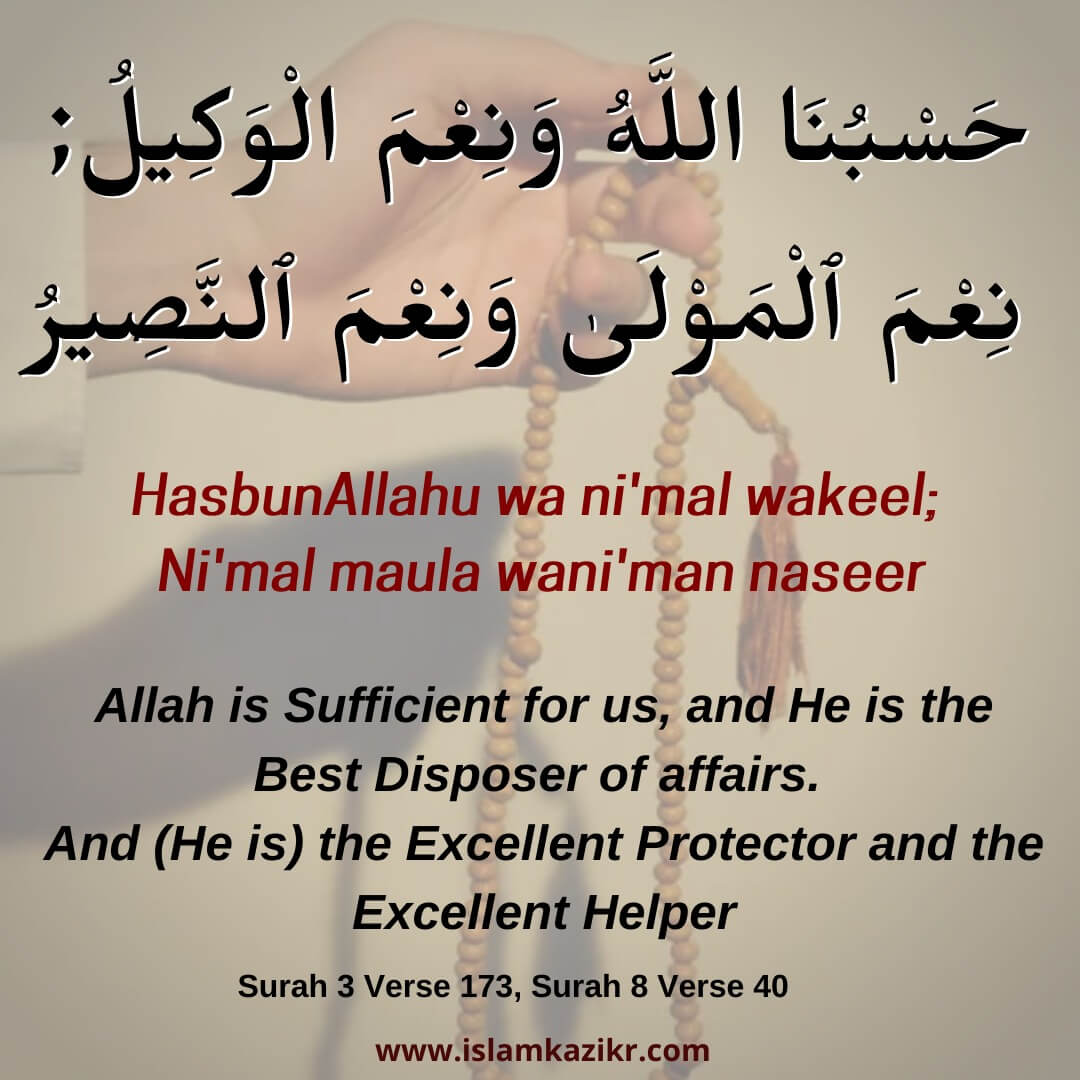
حَسْبُنَا اللَّهُ وَنِعْمَ الْوَكِيلُ
Hasbunallahu wa ni’mal wakeel
Translation: Allah is sufficient for us, and He is the best Disposer of affairs.
This was the dua of Prophet Ibrahim (AS) when he was thrown into the fire. It was the dua of Prophet Muhammad (ﷺ) when people told him an army had gathered against him. It’s the dua of every believer who has nothing left but Allah.
The scholars say that when you recite this with full conviction, Allah sends a sense of peace into your heart—even while the fire is burning around you.
To learn more about the meaning and rewards of this mighty declaration, read our detailed guide: Hasbunallahu wa ni’mal wakeel meaning and benefits.
Dua 5: Dua for Protection from Oppressors
رَبَّهُۥٓ أَنِّى مَغْلُوبٌۭ فَٱنتَصِرْ
Rabbi inni maghloobun fantasir
Translation: My Lord, indeed I am overpowered, so help (me).
Source: Quran, Surah Al-Qamar 54:10
This is the exact dua Prophet Nuh (AS) made when his people rejected him and he was overwhelmed. Allah responded by saving him and destroying the oppressors. When you feel helpless against an oppressor, this is your dua.
Part 2: Duas for Anxiety, Grief, and Distress
War and oppression don’t just harm bodies—they wound hearts. These are the duas for when the weight becomes too heavy to carry.
Dua 6: The Comprehensive Dua for Anxiety and Sorrow
This is the most detailed dua for removing grief and distress. The Prophet (ﷺ) taught it specifically for when the heart feels overwhelmed.
اللّهُـمَّ إِنِّي عَبْـدُكَ ابْنُ عَبْـدِكَ ابْنُ أَمَتِـكَ نَاصِيَتِي بِيَـدِكَ مَاضٍ فِيَّ حُكْمُكَ عَدْلٌ فِيَّ قَضَاؤكَ أَسْأَلُـكَ بِكُلِّ اسْمٍ هُوَ لَكَ سَمَّـيْتَ بِهِ نَفْسَكَ أِوْ أَنْزَلْتَـهُ فِي كِتَابِكَ أَوْ عَلَّمْـتَهُ أَحَداً مِنْ خَلْقِـكَ أَوِ اسْتَـأْثَرْتَ بِهِ فِي عِلْمِ الغَيْـبِ عِنْـدَكَ أَنْ تَجْـعَلَ القُرْآنَ رَبِيـعَ قَلْبِـي وَنورَ صَـدْرِي وجَلَاءَ حُـزْنِي وذَهَابَ هَمِّـي
Allāhumma innī `abduk, ibnu `abdik, ibnu amatik, nāsiyatī biyadik, māḍin fiyya ḥukmuk, `adlun fiyya qaḍā’uk, as’aluka bikullis’min huwa lak, sammayta bihi nafsak, aw anzaltahu fī kitābik, aw `allamtahu aḥadan min khalqik, aw‘ista’tharta bihi fī `ilmil-ghaybi `indak, an taj`ala ‘l-Qur’āna rabī`a qalbī, wa nūra ṣadrī, wa jalā’a ḥuznī, wa dhahāba hammī.
Translation: O Allah, I am Your slave, and the son of Your male slave, and the son of your female slave. My forehead is in Your Hand (i.e. you have control over me). Your Judgment upon me is assured, and Your Decree concerning me is just. I ask You by every Name that You have named Yourself with, revealed in Your Book, taught any one of Your creation, or kept unto Yourself in the knowledge of the unseen that is with You, to make the Qur’an the spring of my heart, and the light of my chest, the banisher of my sadness, and the reliever of my distress.
Source: Musnad Ahmad (authentic, graded by Al-Albani)
This dua begins by acknowledging total submission—then uses the most powerful tool we have: Allah’s own names. The scholars say that by asking with every name of Allah, you’re leaving no door of mercy unopened.
Dua 7: The Short but Powerful Dua for Distress
It was narrated that Asma’ bint ‘Umais said: “The Messenger of Allah (ﷺ) taught me some words to say at times of distress
اللَّهُ اللَّهُ رَبِّي، لَا أُشْرِكُ بِهِ شَيْئًا
Allah! Allahu Rabbi la ushriku bihi shay’an
Translation: Allah, Allah is my Lord, I do not associate anything with Him.
Source: Sunan Ibn Majah 3882 – Hasan (Darussalam)
It’s short. It’s simple. It’s a lifeline when you have nothing left to say.
Dua 8: Seeking Refuge from Grief and Sadness
The Prophet (ﷺ) frequently sought refuge in Allah from these overwhelming emotions.
Allahumma inni a’udhu bika minal-hammi, wal-hazani, wal-‘ajzi, wal-kasali, wal-bukhli, wal-jubni, wa ghalabatar-rijal
Translation: O Allah, I seek refuge with You from worry, grief, incapacity, laziness, miserliness, cowardice and being overpowered by (other) men.
Source: Sunan an-Nasa’i 5449 (Sahih)
This dua covers both internal struggles (anxiety, grief, laziness) and external ones (debt, oppression). When you feel crushed from both inside and out, this is your refuge.
Dua 9: The Dua of Prophet Yunus (AS)
The most famous dua for distress—made from the belly of a whale, in three layers of darkness.
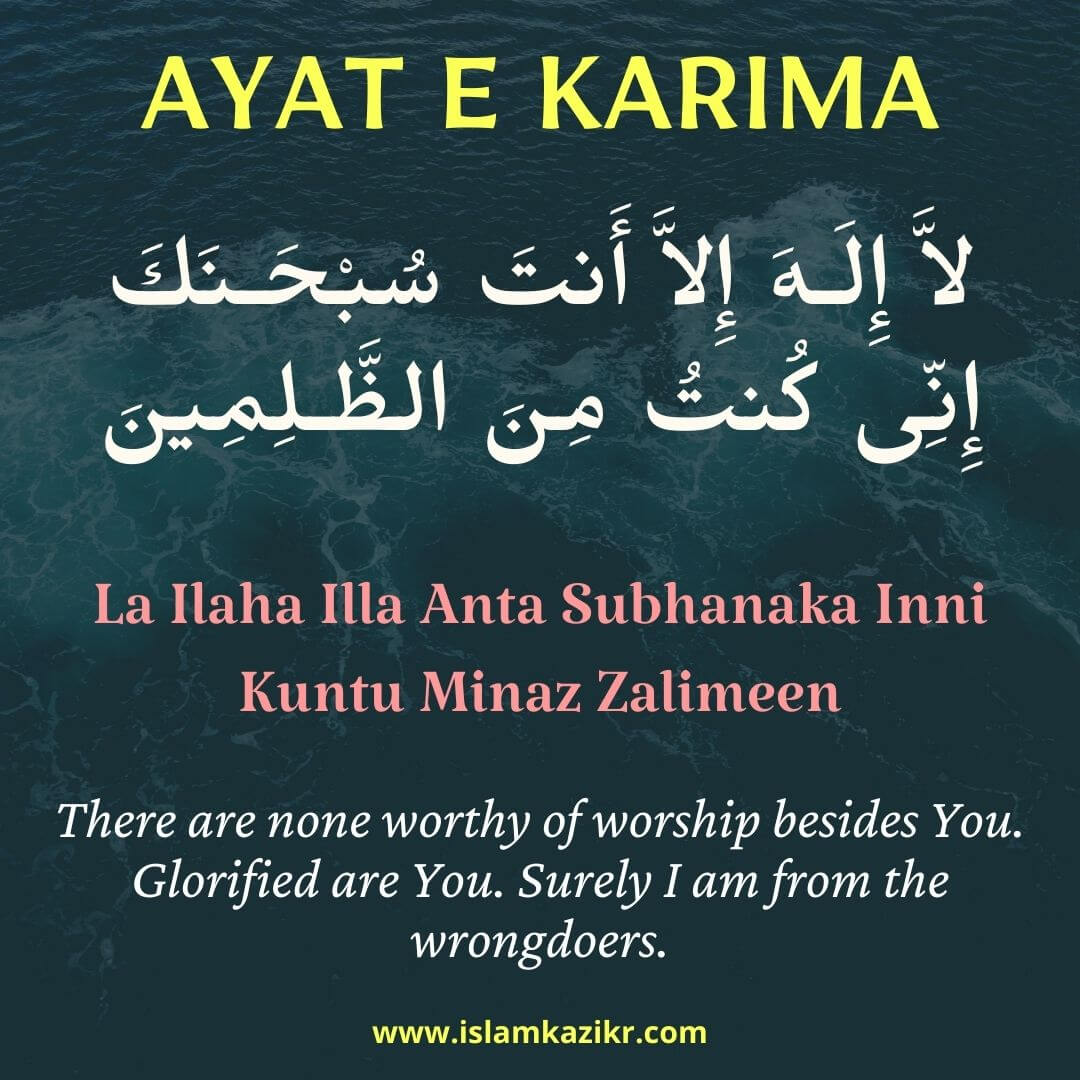
لَا إِلَهَ إِلَّا أَنْتَ سُبْحَانَكَ إِنِّي كُنْتُ مِنَ الظَّالِمِينَ
La ilaha illa anta subhanaka inni kuntu minaz-zalimin
Translation: There is none worthy of worship except You. Glory be to You. Indeed, I have been among the wrongdoers.
Source: Quran, Surah Al-Anbiya 21:87
The Prophet (ﷺ) said: “The supplication of Dhun-Nun (Prophet Yunus) when he prayed from the belly of the whale—no Muslim ever prays to his Lord with these words for anything except that He answers his prayer.” (Jami at-Tirmidhi 3505, Sahih)
If you’re in a dark place—metaphorically or literally—this is your dua. Say it. Repeat it. Allah never fails to answer.
Discover the spiritual depth in our dedicated article: Ayat e Karima meaning and benefits.
Part 3: Duas for the Oppressed and Martyrs
These are the supplications that affirm the special status of those who suffer unjustly.
Dua 10: The Dua for Victory Over Oppressors
This was the dua of the believers who faced Goliath’s army—and Allah answered.
رَبَّنَا أَفْرِغْ عَلَيْنَا صَبْرًا وَثَبِّتْ أَقْدَامَنَا وَانصُرْنَا عَلَى الْقَوْمِ الْكَافِرِينَ
Rabbana afrigh ‘alayna sabran, wa thabbit aqdamana, wansurna ‘alal-qawmil-kafirin
Translation: Our Lord, pour upon us patience and plant firmly our feet and give us victory over the disbelieving people.
Source: Quran, Surah Al-Baqarah 2:250
This is the dua of an army about to face a stronger enemy. Notice the order: patience first, then steadfastness, then victory. You cannot have victory without enduring the hardship before it.
Dua 11: Seeking Protection from Being a Trial for the Oppressors
This beautiful dua asks Allah not to let the oppressors use your suffering as a test or a boast.
رَبَّنَا لَا تَجْعَلْنَا فِتْنَةً لِلْقَوْمِ الظَّالِمِينَ
Rabbana la taj’alna fitnatan lil-qawmiz-zalimin
Translation: Our Lord, do not make us a trial for the oppressive people.
Source: Quran, Surah Yunus 10:85
This was the dua of Prophet Musa’s (AS) followers when facing Pharaoh’s tyranny. They asked Allah not to let the oppressors see their suffering as a victory. It’s a plea for the oppressors not to be given power over you, and for your trial not to become a reason for their arrogance.
The Power of the Oppressed Person’s Dua
I want to end this collection with a hadith that should give every believer hope, especially those suffering under oppression right now.
The Prophet (ﷺ) said: “There are two times when supplications are never (or seldomly) turned down: supplication at the time of the call to prayer, and supplication at the time of fighting, when people are locked in battle.” – Sunan Abi Dawud 2540
If you are standing firm in the face of oppression, even if all you can do is raise your hands, know that you are making dua at a time when the gates of heaven are wide open.
A Final Word From the Heart
Dear brother, dear sister.
I don’t know which situation brought you to this collection. Maybe you’re watching your homeland being destroyed. Maybe you have family in a war zone. Maybe you’re facing oppression in your own life, a boss who wrongs you, a neighbor who harasses you, a system that crushes you.
I want you to know something.
Your dua is not weak. Your dua is not small. The Prophet (ﷺ) called it the “weapon of the believer” for a reason. Weapons, when used properly, change the course of battles.
When you raise your hands, you’re not just saying words. You’re joining a line of believers stretching back to Ibrahim (A.S) in the fire, Musa (A.S) at the Red Sea, and Muhammad (ﷺ) at Badr.
Keep making dua. Keep raising your hands even when it feels like nothing is changing, even when the news gets worse, even when you’re tired.
Because Allah hears, and Allah does not leave the patient empty-handed.
May Allah (SWT) protect every oppressed person everywhere. May He grant victory to those who are fighting for justice. May He accept our martyrs, heal our wounded, and reunite us with our loved ones in Jannah. May He humiliate every oppressor and empower the weak. May He make us among those who stand for justice, and may He never make us among those who remain silent in the face of wrong. Aameen, Ya Rabbal Alameen.
Referenes
1. Ahmad and Abu Dawud; Sunan Abi Dawud 1537
2. Abu Dawud 3/42, At-Tirmidhi 5/572. See also Al-Albani, Sahih At-Tirmidhi 3/183
3. Muslim 3/1362
4. Surah Ali ‘Imran – 173
5. Surah Al-Qamar 54:10
6. Ahmad 1/391, and Al-Albani graded it authentic
7. Sunan Ibn Majah 3882 – Hasan (Darussalam)
8. Sunan an-Nasa’i 5449 (Sahih)
9. Surah Al-Anbiya 21:87
10. Surah Al-Baqarah 2:250
11. Surah Yunus 10:85
12. Sunan Abi Dawud 2540